Buy gqw.eu ?
We are moving the project
gqw.eu .
Are you interested in purchasing the domain
gqw.eu ?
domain@kv-gmbh.de · 0541-91531010
Buy gqw.eu ?
How to design a raised bed in the garden?
To design a raised bed in the garden, start by choosing a location that receives adequate sunlight and has good drainage. Next, determine the size and shape of the raised bed based on the available space and your gardening needs. Use materials like wood, stone, or bricks to build the raised bed walls, making sure they are at least 6-12 inches high to provide ample depth for plant roots. Fill the raised bed with a mixture of topsoil and compost, and consider adding a layer of mulch on top to help retain moisture and suppress weeds. Finally, plant your desired vegetables, flowers, or herbs in the raised bed, making sure to water and maintain them regularly. **
Which plant is spreading in my raised bed garden?
Without more specific information or a visual of the plant, it is difficult to accurately identify which plant is spreading in your raised bed garden. However, some common plants that tend to spread in garden beds include mint, strawberries, and certain types of ground cover. It's important to identify the plant in order to determine whether it is a desirable or invasive species, and to take appropriate action to manage its spread if necessary. Consider consulting a local gardening expert or extension service for assistance in identifying and managing the plant. **

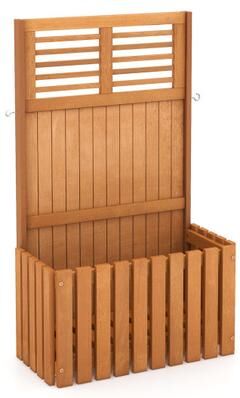
Similar search terms for Costway-Raised-Garden-Bed
Top-Angebote
Products related to Costway-Raised-Garden-Bed:


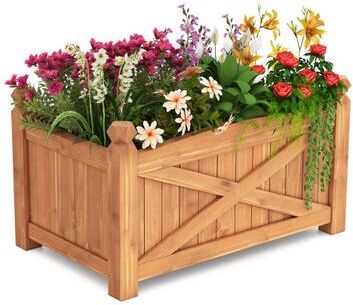

-
How do you design a raised bed in the garden?
To design a raised bed in the garden, start by choosing a location with good sunlight and access to water. Then, determine the size and shape of the raised bed based on the available space and the types of plants you want to grow. Next, gather materials such as lumber, bricks, or stones to create the walls of the raised bed. Finally, fill the raised bed with a mixture of topsoil, compost, and other organic matter to provide a nutrient-rich growing environment for your plants. **
-
Can I use concrete blocks for a raised bed garden?
Yes, you can use concrete blocks for a raised bed garden. Concrete blocks are a durable and long-lasting material that can provide a sturdy structure for your garden. Make sure to choose blocks that are not treated with harmful chemicals that could leach into the soil. Additionally, consider lining the inside of the blocks with a barrier to prevent soil from coming into direct contact with the concrete. **
-
What is the best type of soil for a raised bed garden?
The best type of soil for a raised bed garden is a well-draining, nutrient-rich soil mix. A common recommendation is to use a mix of topsoil, compost, and other organic matter such as peat moss or coconut coir. This combination provides a good balance of water retention, aeration, and nutrients for healthy plant growth in a raised bed garden. **
-
Is there a raised bed cover for the garden without harmful substances?
Yes, there are raised bed covers available for gardens that are made without harmful substances. Many companies offer raised bed covers made from non-toxic, organic materials such as untreated wood, natural fibers, or recycled plastics. These covers are designed to protect the garden from pests and harsh weather while still being safe for plants and the environment. It's important to research and choose a cover that is specifically labeled as non-toxic and safe for use in organic gardening. **
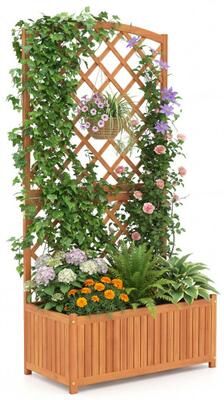
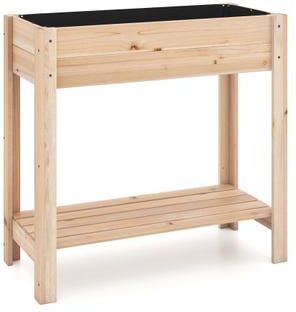
What's wrong with my raised bed?
There could be several reasons why your raised bed is not performing as expected. Some common issues include poor soil quality, inadequate drainage, lack of sunlight, pest infestations, or overwatering. It is important to assess each of these factors to determine the root cause of the problem and take appropriate steps to address it. Consider testing the soil, adjusting watering practices, adding organic matter, or implementing pest control measures to improve the health and productivity of your raised bed. **
Which soil for raised bed balcony?
For a raised bed balcony, it is important to choose a lightweight and well-draining soil mix to prevent waterlogging and provide good aeration for plant roots. A good option is a mix of potting soil, perlite, and compost, which will provide the necessary nutrients and drainage for plants to thrive in a confined space. Avoid using heavy garden soil, as it can become compacted and hinder plant growth in a raised bed setting. **
Top-Angebote
Products related to Costway-Raised-Garden-Bed:
-
How to design a raised bed in the garden?
To design a raised bed in the garden, start by choosing a location that receives adequate sunlight and has good drainage. Next, determine the size and shape of the raised bed based on the available space and your gardening needs. Use materials like wood, stone, or bricks to build the raised bed walls, making sure they are at least 6-12 inches high to provide ample depth for plant roots. Fill the raised bed with a mixture of topsoil and compost, and consider adding a layer of mulch on top to help retain moisture and suppress weeds. Finally, plant your desired vegetables, flowers, or herbs in the raised bed, making sure to water and maintain them regularly. **
-
Which plant is spreading in my raised bed garden?
Without more specific information or a visual of the plant, it is difficult to accurately identify which plant is spreading in your raised bed garden. However, some common plants that tend to spread in garden beds include mint, strawberries, and certain types of ground cover. It's important to identify the plant in order to determine whether it is a desirable or invasive species, and to take appropriate action to manage its spread if necessary. Consider consulting a local gardening expert or extension service for assistance in identifying and managing the plant. **
-
How do you design a raised bed in the garden?
To design a raised bed in the garden, start by choosing a location with good sunlight and access to water. Then, determine the size and shape of the raised bed based on the available space and the types of plants you want to grow. Next, gather materials such as lumber, bricks, or stones to create the walls of the raised bed. Finally, fill the raised bed with a mixture of topsoil, compost, and other organic matter to provide a nutrient-rich growing environment for your plants. **
-
Can I use concrete blocks for a raised bed garden?
Yes, you can use concrete blocks for a raised bed garden. Concrete blocks are a durable and long-lasting material that can provide a sturdy structure for your garden. Make sure to choose blocks that are not treated with harmful chemicals that could leach into the soil. Additionally, consider lining the inside of the blocks with a barrier to prevent soil from coming into direct contact with the concrete. **
Similar search terms for Costway-Raised-Garden-Bed
-
What is the best type of soil for a raised bed garden?
The best type of soil for a raised bed garden is a well-draining, nutrient-rich soil mix. A common recommendation is to use a mix of topsoil, compost, and other organic matter such as peat moss or coconut coir. This combination provides a good balance of water retention, aeration, and nutrients for healthy plant growth in a raised bed garden. **
-
Is there a raised bed cover for the garden without harmful substances?
Yes, there are raised bed covers available for gardens that are made without harmful substances. Many companies offer raised bed covers made from non-toxic, organic materials such as untreated wood, natural fibers, or recycled plastics. These covers are designed to protect the garden from pests and harsh weather while still being safe for plants and the environment. It's important to research and choose a cover that is specifically labeled as non-toxic and safe for use in organic gardening. **
-
What's wrong with my raised bed?
There could be several reasons why your raised bed is not performing as expected. Some common issues include poor soil quality, inadequate drainage, lack of sunlight, pest infestations, or overwatering. It is important to assess each of these factors to determine the root cause of the problem and take appropriate steps to address it. Consider testing the soil, adjusting watering practices, adding organic matter, or implementing pest control measures to improve the health and productivity of your raised bed. **
-
Which soil for raised bed balcony?
For a raised bed balcony, it is important to choose a lightweight and well-draining soil mix to prevent waterlogging and provide good aeration for plant roots. A good option is a mix of potting soil, perlite, and compost, which will provide the necessary nutrients and drainage for plants to thrive in a confined space. Avoid using heavy garden soil, as it can become compacted and hinder plant growth in a raised bed setting. **
* All prices are inclusive of VAT and, if applicable, plus shipping costs. The offer information is based on the details provided by the respective shop and is updated through automated processes. Real-time updates do not occur, so deviations can occur in individual cases. ** Note: Parts of this content were created by AI.