Buy gqw.eu ?
We are moving the project
gqw.eu .
Are you interested in purchasing the domain
gqw.eu ?
domain@kv-gmbh.de · 0541-91531010
Buy gqw.eu ?
What are relative clauses and conjunctional clauses?
Relative clauses are clauses that provide additional information about a noun in the main clause. They are introduced by relative pronouns such as "who," "which," "that," and "whom." For example, in the sentence "The book that I read is very interesting," the relative clause "that I read" provides more information about the noun "book." Conjunctional clauses, on the other hand, are clauses that are connected to the main clause by conjunctions such as "and," "but," "or," "if," and "because." They can express relationships such as addition, contrast, alternative, condition, and cause. For example, in the sentence "I will go to the park if the weather is nice," the conjunctional clause "if the weather is nice" expresses a condition for the action in the main clause. **
What are conjunctional clauses, relative clauses, demonstrative clauses, and infinitive clauses?
Conjunctional clauses are dependent clauses that are introduced by a conjunction, such as "because," "although," or "while." They provide additional information about the main clause in a sentence. Relative clauses are also dependent clauses that provide more information about a noun in the main clause. They are introduced by relative pronouns like "who," "which," or "that." Demonstrative clauses are dependent clauses that function as adjectives and provide more information about a noun in the main clause. They are introduced by demonstrative pronouns like "this," "that," "these," or "those." Infinitive clauses are dependent clauses that are formed with an infinitive verb (to + base form of the verb). They can function as nouns, adjectives, or adverbs in a sentence. **


Similar search terms for Conjunctional
Top-Angebote
Products related to Conjunctional:
-
Georgia Boot Comfort Core 5 Orthotic Footbed - M Orange Footwear Accessories*Ergonomic Arch Support in the Georgia Boot Comfort Core 5 Footbed relieves foot fatigue and provides added comfort *Air flow channels provide cool circulation *Footbed can be trimmed *M fits U.S. Men's sizes 6 to 8-1/2 and Women's sizes 8 to 10-1/2...28,00 $*Shipping: 6,95 $Secure redirect to the provider
-
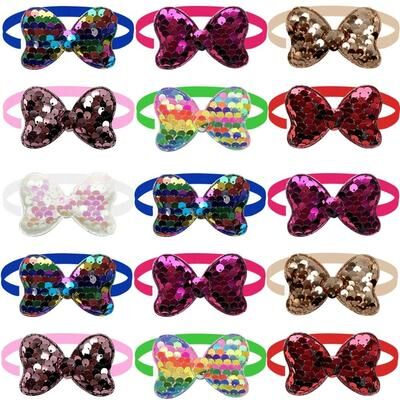
Uplift Essentials Sequin Style Pet Bow Tie Set High Fashion Grooming Accessories For Dogs & Cats (50 Piece Bulk Pack) Sequin Style Pet Bow Tie Set High Fashion Grooming Accessories For Dogs & Cats (50 Piece Bulk Pack)Elevate your pets aesthetic for any special occasion with our Professional Sequin Style Pet Bow Tie Set. Specifically engineered for highvisibility fashion and professional grooming finishes, this 50piece collection features a stunning array of...74,97 $*Shipping: 0,00 $Secure redirect to the provider
-
Uplifted Finds Summer Polka Dot Fashion Pet Apparel xsElevate your pet's seasonal wardrobe with the Summer PolkaDot Fashion Outfit. Available as either a charming pupskirt or a sleek, thin shirt, this collection is designed for the fashionforward pet who wants to stay cool while looking sweet. Crafted...45,97 $*Shipping: 0,00 $Secure redirect to the provider
-
Carhartt Insite Footbeds - Mens 10 Brown Footwear Accessories*Engineered footbed with Insite Technology to align foot in the most natural position *Pulsion Rebound Foam is engineered for anti-fatigue rebound action *Tetrapod anti-fatigue technology distributes foot compression in multiple directions *Import29,99 $*Shipping: 6,95 $Secure redirect to the provider



-
What is the difference between a relative clause and a conjunctional clause?
A relative clause is a type of subordinate clause that provides additional information about a noun in the main clause. It typically begins with a relative pronoun such as "who," "which," or "that." A conjunctional clause, on the other hand, is a type of subordinate clause that functions as an adverb, connecting two independent clauses. It typically begins with a subordinating conjunction such as "because," "although," or "while." In summary, the main difference between the two is that a relative clause provides additional information about a noun, while a conjunctional clause connects two independent clauses. **
-
What is the difference between a conjunctional clause and an adverbial clause?
A conjunctional clause is a type of dependent clause that begins with a subordinating conjunction, such as "because," "although," or "while." It functions to connect the dependent clause to the independent clause and provide additional information about the main clause. An adverbial clause, on the other hand, is a type of dependent clause that functions as an adverb in the sentence, providing information about the time, place, manner, or condition of the action in the main clause. While both types of clauses are dependent and provide additional information, the key difference is that a conjunctional clause connects the dependent clause to the main clause, while an adverbial clause functions as an adverb in the sentence. **
-
How do I recognize a relative clause, a conjunctional clause, and an interrogative clause?
A relative clause typically starts with a relative pronoun (such as who, whom, whose, which, or that) and provides more information about a noun in the main clause. A conjunctional clause, on the other hand, is introduced by a conjunction (such as and, but, or because) and connects two independent clauses. An interrogative clause is a type of clause that asks a question and is typically introduced by an interrogative pronoun (such as who, what, when, where, why, or how) or an interrogative adverb (such as how, when, or where). **
-
How can I recognize a relative clause, a conjunctional clause, and an interrogative clause?
A relative clause is a type of dependent clause that typically starts with a relative pronoun (such as who, whom, whose, which, or that) and provides additional information about a noun in the main clause. A conjunctional clause, on the other hand, is a dependent clause that functions as an adverb, adjective, or noun in a sentence and is connected to the main clause by a conjunction (such as because, although, if, when, etc.). An interrogative clause is a type of clause that asks a question and typically begins with a question word (such as who, what, where, when, why, or how) or with a helping verb followed by the subject. **


Is circumcision a fashion trend?
No, circumcision is not a fashion trend. Circumcision is a cultural, religious, or medical practice that has been performed for thousands of years in various societies around the world. It is not a passing trend, but rather a deeply rooted tradition with significant historical and cultural significance for many communities. While there may be fluctuations in circumcision rates over time, it is not accurate to categorize it as a fashion trend. **
Are piercings a fashion trend?
Yes, piercings are considered a fashion trend. Over the years, piercings have become a popular way for people to express their individuality and personal style. From ear piercings to nose, lip, and body piercings, they have become a common form of self-expression and a way to enhance one's appearance. Many people view piercings as a fashion statement and use them to accessorize and complement their overall look. **
Top-Angebote
Products related to Conjunctional:
-
Carhartt Insite Footbeds - Mens 9 Brown Footwear Accessories*Engineered footbed with Insite Technology to align foot in the most natural position *Pulsion Rebound Foam is engineered for anti-fatigue rebound action *Tetrapod anti-fatigue technology distributes foot compression in multiple directions *Import29,99 $*Shipping: 6,95 $Secure redirect to the provider
-
Shoekeeper Men's Shoe Stretcher & Spray - M Other Footwear Accessories*Expand your shoes to the perfect fit *Shoe stretch spray softens leather *Screw-driven shoe stretcher expands leather to eliminate pinching *Metal plugs included for spot stretching *Kit includes one stretcher and one bottle of 4 oz. spray *Sizes:...43,96 $*Shipping: 6,95 $Secure redirect to the provider
-
Georgia Boot Comfort Core 5 Orthotic Footbed - M Orange Footwear Accessories*Ergonomic Arch Support in the Georgia Boot Comfort Core 5 Footbed relieves foot fatigue and provides added comfort *Air flow channels provide cool circulation *Footbed can be trimmed *M fits U.S. Men's sizes 6 to 8-1/2 and Women's sizes 8 to 10-1/2...28,00 $*Shipping: 6,95 $Secure redirect to the provider
-
Uplift Essentials Sequin Style Pet Bow Tie Set High Fashion Grooming Accessories For Dogs & Cats (50 Piece Bulk Pack) Sequin Style Pet Bow Tie Set High Fashion Grooming Accessories For Dogs & Cats (50 Piece Bulk Pack)Elevate your pets aesthetic for any special occasion with our Professional Sequin Style Pet Bow Tie Set. Specifically engineered for highvisibility fashion and professional grooming finishes, this 50piece collection features a stunning array of...74,97 $*Shipping: 0,00 $Secure redirect to the provider
-
What are relative clauses and conjunctional clauses?
Relative clauses are clauses that provide additional information about a noun in the main clause. They are introduced by relative pronouns such as "who," "which," "that," and "whom." For example, in the sentence "The book that I read is very interesting," the relative clause "that I read" provides more information about the noun "book." Conjunctional clauses, on the other hand, are clauses that are connected to the main clause by conjunctions such as "and," "but," "or," "if," and "because." They can express relationships such as addition, contrast, alternative, condition, and cause. For example, in the sentence "I will go to the park if the weather is nice," the conjunctional clause "if the weather is nice" expresses a condition for the action in the main clause. **
-
What are conjunctional clauses, relative clauses, demonstrative clauses, and infinitive clauses?
Conjunctional clauses are dependent clauses that are introduced by a conjunction, such as "because," "although," or "while." They provide additional information about the main clause in a sentence. Relative clauses are also dependent clauses that provide more information about a noun in the main clause. They are introduced by relative pronouns like "who," "which," or "that." Demonstrative clauses are dependent clauses that function as adjectives and provide more information about a noun in the main clause. They are introduced by demonstrative pronouns like "this," "that," "these," or "those." Infinitive clauses are dependent clauses that are formed with an infinitive verb (to + base form of the verb). They can function as nouns, adjectives, or adverbs in a sentence. **
-
What is the difference between a relative clause and a conjunctional clause?
A relative clause is a type of subordinate clause that provides additional information about a noun in the main clause. It typically begins with a relative pronoun such as "who," "which," or "that." A conjunctional clause, on the other hand, is a type of subordinate clause that functions as an adverb, connecting two independent clauses. It typically begins with a subordinating conjunction such as "because," "although," or "while." In summary, the main difference between the two is that a relative clause provides additional information about a noun, while a conjunctional clause connects two independent clauses. **
-
What is the difference between a conjunctional clause and an adverbial clause?
A conjunctional clause is a type of dependent clause that begins with a subordinating conjunction, such as "because," "although," or "while." It functions to connect the dependent clause to the independent clause and provide additional information about the main clause. An adverbial clause, on the other hand, is a type of dependent clause that functions as an adverb in the sentence, providing information about the time, place, manner, or condition of the action in the main clause. While both types of clauses are dependent and provide additional information, the key difference is that a conjunctional clause connects the dependent clause to the main clause, while an adverbial clause functions as an adverb in the sentence. **
Similar search terms for Conjunctional
-
Uplifted Finds Summer Polka Dot Fashion Pet Apparel xsElevate your pet's seasonal wardrobe with the Summer PolkaDot Fashion Outfit. Available as either a charming pupskirt or a sleek, thin shirt, this collection is designed for the fashionforward pet who wants to stay cool while looking sweet. Crafted...45,97 $*Shipping: 0,00 $Secure redirect to the provider
-
Carhartt Insite Footbeds - Mens 10 Brown Footwear Accessories*Engineered footbed with Insite Technology to align foot in the most natural position *Pulsion Rebound Foam is engineered for anti-fatigue rebound action *Tetrapod anti-fatigue technology distributes foot compression in multiple directions *Import29,99 $*Shipping: 6,95 $Secure redirect to the provider
-
Georgia Boot Comfort Core 5 Orthotic Footbed - L Orange Footwear Accessories*Ergonomic Arch Support in the Georgia Boot Comfort Core 5 Footbed relieves foot fatigue and provides added comfort *Air flow channels provide cool circulation *Footbed can be trimmed *M fits U.S. Men's sizes 6 to 8-1/2 and Women's sizes 8 to 10-1/2...28,00 $*Shipping: 6,95 $Secure redirect to the provider
-
Georgia Boot Comfort Core 5 Orthotic Footbed - XL Orange Footwear Accessories*Ergonomic Arch Support in the Georgia Boot Comfort Core 5 Footbed relieves foot fatigue and provides added comfort *Air flow channels provide cool circulation *Footbed can be trimmed *M fits U.S. Men's sizes 6 to 8-1/2 and Women's sizes 8 to 10-1/2...28,00 $*Shipping: 6,95 $Secure redirect to the provider
-
How do I recognize a relative clause, a conjunctional clause, and an interrogative clause?
A relative clause typically starts with a relative pronoun (such as who, whom, whose, which, or that) and provides more information about a noun in the main clause. A conjunctional clause, on the other hand, is introduced by a conjunction (such as and, but, or because) and connects two independent clauses. An interrogative clause is a type of clause that asks a question and is typically introduced by an interrogative pronoun (such as who, what, when, where, why, or how) or an interrogative adverb (such as how, when, or where). **
-
How can I recognize a relative clause, a conjunctional clause, and an interrogative clause?
A relative clause is a type of dependent clause that typically starts with a relative pronoun (such as who, whom, whose, which, or that) and provides additional information about a noun in the main clause. A conjunctional clause, on the other hand, is a dependent clause that functions as an adverb, adjective, or noun in a sentence and is connected to the main clause by a conjunction (such as because, although, if, when, etc.). An interrogative clause is a type of clause that asks a question and typically begins with a question word (such as who, what, where, when, why, or how) or with a helping verb followed by the subject. **
-
Is circumcision a fashion trend?
No, circumcision is not a fashion trend. Circumcision is a cultural, religious, or medical practice that has been performed for thousands of years in various societies around the world. It is not a passing trend, but rather a deeply rooted tradition with significant historical and cultural significance for many communities. While there may be fluctuations in circumcision rates over time, it is not accurate to categorize it as a fashion trend. **
-
Are piercings a fashion trend?
Yes, piercings are considered a fashion trend. Over the years, piercings have become a popular way for people to express their individuality and personal style. From ear piercings to nose, lip, and body piercings, they have become a common form of self-expression and a way to enhance one's appearance. Many people view piercings as a fashion statement and use them to accessorize and complement their overall look. **
* All prices are inclusive of VAT and, if applicable, plus shipping costs. The offer information is based on the details provided by the respective shop and is updated through automated processes. Real-time updates do not occur, so deviations can occur in individual cases. ** Note: Parts of this content were created by AI.