Buy gqw.eu ?
We are moving the project
gqw.eu .
Are you interested in purchasing the domain
gqw.eu ?
domain@kv-gmbh.de · 0541-91531010
Buy gqw.eu ?
What is the trend in the PSE for melting and boiling points?
The trend in the PSE for melting and boiling points generally increases as you move from left to right across a period and from bottom to top within a group. This is because as you move across a period, the number of protons and electrons increases, leading to stronger intermolecular forces and higher melting and boiling points. Within a group, the increase in atomic size leads to weaker intermolecular forces and lower melting and boiling points. However, there are some exceptions to this trend due to factors such as molecular structure and bonding. **
Is the boiling temperature the same as the boiling point?
Yes, the boiling temperature and boiling point are the same thing. The boiling point is the specific temperature at which a substance changes from a liquid to a gas, while the boiling temperature refers to the temperature at which this phase change occurs. So, in essence, they both refer to the same temperature at which boiling occurs. **


Similar search terms for Boiling
Top-Angebote
Products related to Boiling:
-
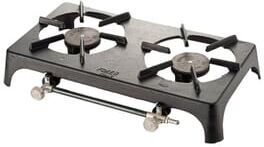
Foker Cast Iron Double Burner Gas Boiling RingPerfect for Versatile Outdoor Cooking The Foker Cast Iron Double Burner Gas Boiling Ring is the ultimate solution for outdoor cooking, combining simplicity, durability, and power. This double burner is perfect for camping, scouting, backyard barbecues, and catering events, offering robust performance and convenience. Key Features: Durable Cast Iron Construction: The strong cast iron frame ensures the double burner can withstand heavy use and transport without fear of dents or damage. Dual Burner Design: Features two separate 80mm burners, each with its own gas tap, allowing you to use one or both burners as needed. High Heat Output: Each burner99,00 £*Shipping: 0,00 £Secure redirect to the provider


-
What is the trend in the periodic table for melting and boiling points?
The general trend for melting and boiling points in the periodic table is that they increase from left to right across a period and decrease from top to bottom down a group. This is due to the increase in atomic number and atomic mass from left to right, leading to stronger intermolecular forces and higher melting and boiling points. Conversely, as you move down a group, the atomic size increases, resulting in weaker intermolecular forces and lower melting and boiling points. **
-
Do worm eggs and parasites die by boiling with boiling water?
Boiling water can effectively kill worm eggs and parasites. The high temperature of boiling water can destroy the outer protective layer of the eggs and parasites, leading to their death. It is important to ensure that the water reaches a rolling boil and maintain it for a sufficient amount of time to ensure all eggs and parasites are killed. However, it is always recommended to consult a healthcare professional for proper guidance on how to effectively eliminate worm eggs and parasites. **
-
What are boiling stones?
Boiling stones are small, inert, porous materials that are added to a liquid to promote smooth boiling. They provide nucleation sites for bubbles to form, preventing the liquid from bumping and splattering. Boiling stones are commonly used in chemistry and laboratory settings to ensure even and controlled boiling of liquids. They are typically made of materials such as porcelain, glass, or metal, and are reusable after being cleaned and sterilized. **
-
Why does light gasoline have a boiling range and not a boiling temperature?
Light gasoline has a boiling range rather than a specific boiling temperature because it is a mixture of hydrocarbons with different boiling points. The boiling range represents the range of temperatures at which the various components of the gasoline will vaporize. This range allows for the different components to be used efficiently in different types of engines and under different environmental conditions. The boiling range also allows for the separation of the components through distillation processes. **


What does boiling water accomplish?
Boiling water raises its temperature to 100 degrees Celsius, which is hot enough to kill most bacteria, viruses, and parasites that may be present in the water. This process helps make the water safe to drink by reducing the risk of waterborne illnesses. Boiling water also helps remove any impurities or chemicals that may be present in the water, making it cleaner and safer for consumption. **
Why does boiling water bubble?
Boiling water bubbles because as the water is heated, the molecules gain energy and move faster. This increased movement causes the water to reach its boiling point, where the molecules have enough energy to overcome the forces holding them together. As a result, bubbles of water vapor form and rise to the surface, creating the bubbling effect we see when water boils. **
Top-Angebote
Products related to Boiling:
-
Super Heat 6kW Gas Boiling RingSuper Heat 6kW Gas Boiling Ring - High Output Outdoor LPG Single Burner The Super Heat 6kW single burner is a real powerhouse in the Super Heat range - it puts out a whopping 6kW from a 135mm cast iron burner which is perfectly balanced by a brass adjustable valve and a stainless steel front panel. You can use this on either propane (at 37mbar) or butane (at 28mbar) and it measures 400 x 400 x 210mm and weighs a manageable 6kg. Note that this is for outdoor use only - and it comes with a 12 month warranty. Where the 3.5kW single ring is a great all-rounder for everyday outdoor cooking, the Super Heat 6kW is where things get really serious. Its 135mm cast iron burner delivers nigh-on double the output of the 3.5kW ring - which not only gets a big stockpot boiling a whole lot faster, but can also sustain a high heat level for cooking big volumes (like54,00 £*Shipping: 5,00 £Secure redirect to the provider
-
What is the trend in the PSE for melting and boiling points?
The trend in the PSE for melting and boiling points generally increases as you move from left to right across a period and from bottom to top within a group. This is because as you move across a period, the number of protons and electrons increases, leading to stronger intermolecular forces and higher melting and boiling points. Within a group, the increase in atomic size leads to weaker intermolecular forces and lower melting and boiling points. However, there are some exceptions to this trend due to factors such as molecular structure and bonding. **
-
Is the boiling temperature the same as the boiling point?
Yes, the boiling temperature and boiling point are the same thing. The boiling point is the specific temperature at which a substance changes from a liquid to a gas, while the boiling temperature refers to the temperature at which this phase change occurs. So, in essence, they both refer to the same temperature at which boiling occurs. **
-
What is the trend in the periodic table for melting and boiling points?
The general trend for melting and boiling points in the periodic table is that they increase from left to right across a period and decrease from top to bottom down a group. This is due to the increase in atomic number and atomic mass from left to right, leading to stronger intermolecular forces and higher melting and boiling points. Conversely, as you move down a group, the atomic size increases, resulting in weaker intermolecular forces and lower melting and boiling points. **
-
Do worm eggs and parasites die by boiling with boiling water?
Boiling water can effectively kill worm eggs and parasites. The high temperature of boiling water can destroy the outer protective layer of the eggs and parasites, leading to their death. It is important to ensure that the water reaches a rolling boil and maintain it for a sufficient amount of time to ensure all eggs and parasites are killed. However, it is always recommended to consult a healthcare professional for proper guidance on how to effectively eliminate worm eggs and parasites. **
Similar search terms for Boiling
-
Foker Cast Iron Double Burner Gas Boiling RingPerfect for Versatile Outdoor Cooking The Foker Cast Iron Double Burner Gas Boiling Ring is the ultimate solution for outdoor cooking, combining simplicity, durability, and power. This double burner is perfect for camping, scouting, backyard barbecues, and catering events, offering robust performance and convenience. Key Features: Durable Cast Iron Construction: The strong cast iron frame ensures the double burner can withstand heavy use and transport without fear of dents or damage. Dual Burner Design: Features two separate 80mm burners, each with its own gas tap, allowing you to use one or both burners as needed. High Heat Output: Each burner99,00 £*Shipping: 0,00 £Secure redirect to the provider
-
Hamilton Gas Products Ltd 5 LPG Gas Boiling Ring 936 Style – 35,000 BTU Cast Iron5 Single LPG Gas Boiling Ring – High-Performance Burner for Chinese Cookers The 5 Single LPG Gas Boiling Ring is a reliable and efficient replacement burner, designed in the 936 style for use in Chinese cookers and other commercial applications. Featuring a 5-inch burner head and delivering an output of 15,000 to 35,000 BTU/h, this cast iron boiling ring ensures high heat output and durability for a variety of cooking tasks. Built with cast iron for longevity, the burner is compatible with LPG Propane and operates at a pressure of 37mbar. The 1/4 BSP M taper inlet makes it easy to connect, while the compact dimensions ensure it fits seamlessly into your setup. Ideal for professional kitchens that27,60 £*Shipping: 5,00 £Secure redirect to the provider
-
What are boiling stones?
Boiling stones are small, inert, porous materials that are added to a liquid to promote smooth boiling. They provide nucleation sites for bubbles to form, preventing the liquid from bumping and splattering. Boiling stones are commonly used in chemistry and laboratory settings to ensure even and controlled boiling of liquids. They are typically made of materials such as porcelain, glass, or metal, and are reusable after being cleaned and sterilized. **
-
Why does light gasoline have a boiling range and not a boiling temperature?
Light gasoline has a boiling range rather than a specific boiling temperature because it is a mixture of hydrocarbons with different boiling points. The boiling range represents the range of temperatures at which the various components of the gasoline will vaporize. This range allows for the different components to be used efficiently in different types of engines and under different environmental conditions. The boiling range also allows for the separation of the components through distillation processes. **
-
What does boiling water accomplish?
Boiling water raises its temperature to 100 degrees Celsius, which is hot enough to kill most bacteria, viruses, and parasites that may be present in the water. This process helps make the water safe to drink by reducing the risk of waterborne illnesses. Boiling water also helps remove any impurities or chemicals that may be present in the water, making it cleaner and safer for consumption. **
-
Why does boiling water bubble?
Boiling water bubbles because as the water is heated, the molecules gain energy and move faster. This increased movement causes the water to reach its boiling point, where the molecules have enough energy to overcome the forces holding them together. As a result, bubbles of water vapor form and rise to the surface, creating the bubbling effect we see when water boils. **
* All prices are inclusive of VAT and, if applicable, plus shipping costs. The offer information is based on the details provided by the respective shop and is updated through automated processes. Real-time updates do not occur, so deviations can occur in individual cases. ** Note: Parts of this content were created by AI.